- Ensure your child receives a good education before they become addicted to video games, social media, and other distractions.
- Strengthen Your Child's Confidence in Math; when he/she is in early Grades 1 to 8; From my 30 + years of Canadian Practical Teaching Experience with over 2,010 Students.
- Something that is easy and convenient isn't always effective and good.

| Why do some students need to spend more than 50% of their study time on Math? |

-
In Math, most questions build on students' previous knowledge. Unlike many other subjects, Math is cumulative-if you miss a concept, it will affect your understanding later. There's no guessing; answers are either right or wrong.
-
When a student has a strong foundation in Math, it becomes easier to study other subjects as well. This has been proven many times by NallPro's students (past and present), and by my own experience. Many students who studied consistently at NallPro not only excelled in Math, but also became top students in their classes, achieving Honor Roll in multiple subjects.
-
For example, students who aim for Engineering in university must take three Math courses in Grade 12. On top of that, Physics is about 80% Math, and Chemistry is 50-60% Math. Altogether, more than half of their workload depends on Math.
-
Math is not difficult to learn, but it requires the right approach: step by step, with focus and practice. There are no shortcuts. Anybody can learn Math-if they are willing to spend the time and put in consistent effort!
Anybody can learn Math-if they are willing to spend the time and put in consistent effort!
|

| What's the Difference Between Students Who Take 2 Classes per Week and Those Who Take 1 at NallPro?? |

-
The most obvious advantage of taking 2 classes per week is that students gain more than double the amount of learning in Math, while paying less than double the fee!
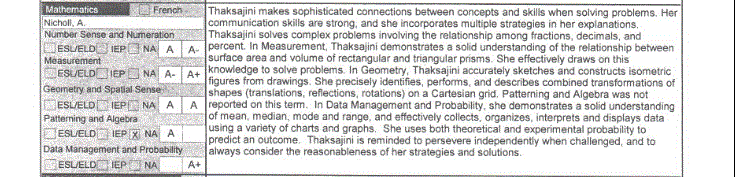
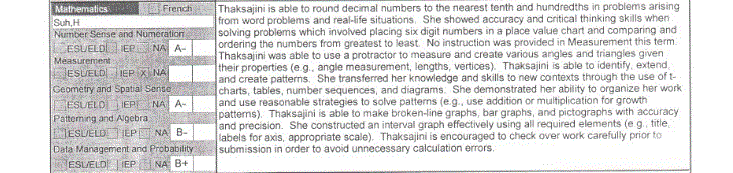
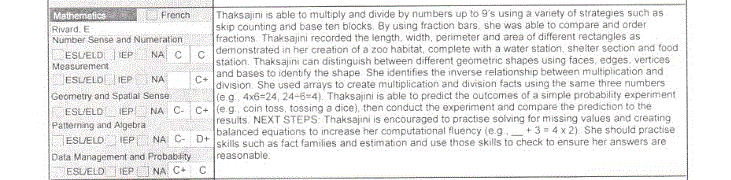
Misconception: Only weak students take 2 classes per week. This is absolutely not true! Many students who score 100% or close to it in Math also attend 2/3 classes weekly. They often study one or two grades above their school level. (For example, see NallPro’s Level 3 students’ report cards.)
In NallPro’s history since 1999, it has always been the smart students (and parents) who choose 2/3 classes per week. Some of these students even skip grades, as they consistently study one or two levels above their school grade (see NallPro’s Level 3 students).
 NallPro’s worksheets are checked and returned within 2-3 days, allowing students to address learning issues more quickly. However, if you attend only one class per week, it can take up to 14 days to get your worksheets back. By then, your school may have already moved on to new topics, leaving less time to review and discuss past worksheet corrections if any issues remain.
Why are 2 classes better for most students?
In Math, most questions build on knowledge from previous grades. Attending 2 classes per week helps students review, strengthen, and connect past concepts more effectively.
⬇ ⬇ ⬇
Please See Next and Read⬇ ⬇ ⬇
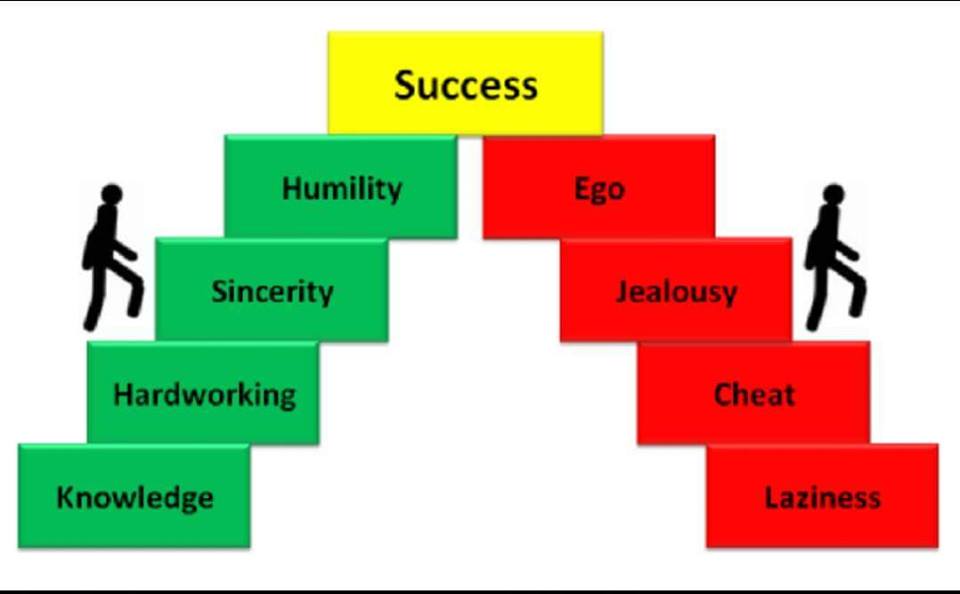
No Shortcuts to Success:
At NallPro, we believe there are no shortcuts to success in Math. Anyone can improve, but only with time, focus, and consistent effort.
For many students, one class per week is not enough. Some students need at least two classes per week to truly understand the material. Often, students can’t even clearly explain what topics (sections) they’re studying at school, which makes it difficult for our teachers to follow the Ontario Mathematics Curriculum effectively.
We’ve seen many students and parents try large franchise tutoring centers—spending double or even triple the money—only to return to NallPro seeking real results. But it’s important to remember: fixing two to three years’ worth of math gaps cannot be done in just one class per week.
Sometimes students arrive with weak fundamentals (two or three grade levels behind), often with C or D grades (sometimes A/B from lower-standard schools). Expecting to fix all these gaps within one or two months, while attending only a single class per week, is simply unrealistic.
At NallPro, we focus on long-term learning and building a strong math foundation—because that’s the only way lasting success is possible.
|
| Why is a Strong Understanding of Grades 6, 7, and 8 So Important for High School Math? |
In High School, most math questions rely on a student’s cumulative knowledge - what they learned in earlier grades. Without a solid foundation, students often struggle.
In many middle schools, a new topic (chapter) is taught every two weeks, followed by a test or exam. Students often forget these topics later, but in high school they reappear as part of larger, more complex problems. This is why many students who earned good marks in middle school see their grades drop sharply in high school.
Ontario Most of the School from Grade 3 to Grade 8 as follows:
In Ontario, from Grade 3 to Grade 8, schools cover about 20 math topics per year (40 weeks). Out of these, 16 topics are review from previous years, and only 4 are new. With large classes (25-30 students) and many strong students already filtered into IB, IBT, AP, or Gifted programs, regular schools often finish only 60-70% of the curriculum each year.
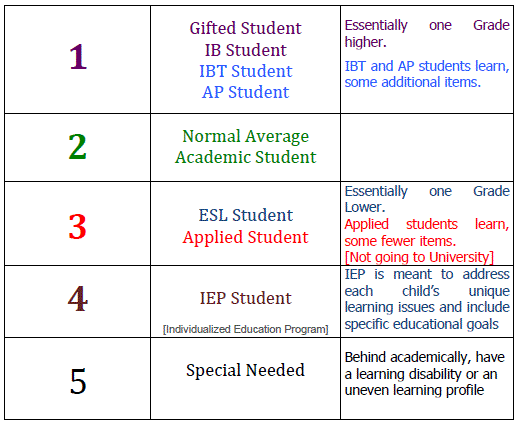
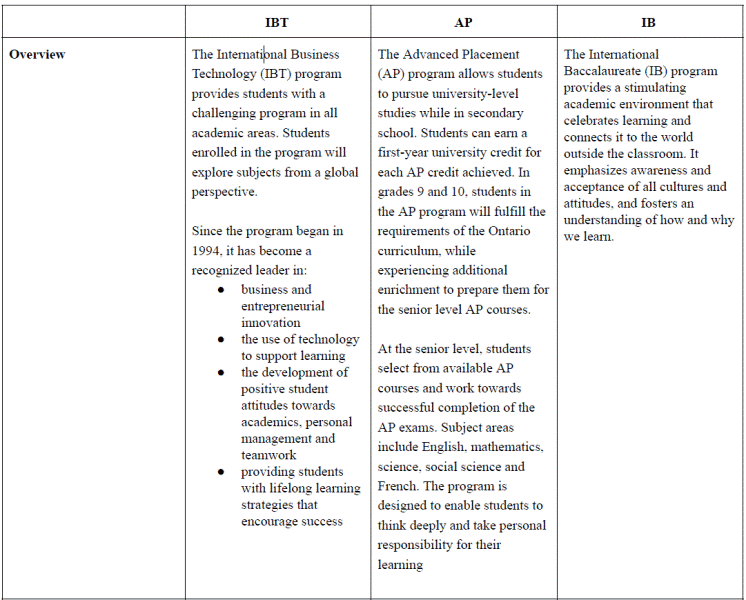
Important Note for IB/IBT/AP students: If your mark is below 80%, it may not be worth continuing in these programs, as the workload is heavy and cumulative knowledge is essential.
At NallPro, we strongly encourage students and parents to build a strong math foundation in Grades 6-8. Too many families only realize this later-by then, it’s often too late.
At NallPro, we don’t give false hope.
Telling the truth and helping students face reality is better than giving fake reassurance.
|
| Mythology and Misconception in the Math Studies: Parents Must Understand the Reality about the Their Kids' Education! |

There are many myths and misconceptions about how children should study Math. Unfortunately, some parents believe that if their kids complete thousands of similar questions quickly-often with mistakes and without truly understanding the concepts-that makes them "good" at Math. These parents focus only on quantity instead of quality.
But think about it-has any exam or test ever asked: How many worksheets have you done in the past?
- From our experience at NallPro, some parents ask their kids after class: "How many sheets did you do today?" But worksheets alone are not real learning.
-
Instead, the better question is: "What did you learn today? Do you understand the concepts?" Etc.
-
Over the years, we've seen a clear pattern: students who complete NallPro homework with 100% accuracy consistently score 100% on their school tests and exams. These students are not doing thousands of repetitive questions-they are mastering concepts. [See some of our Student Report Cards.]
Yet, some parents still believe that big brand name tutoring centres with expensive fees and flashy commercial buildings must be better. What they often fail to check is the end result: whether their child is truly gaining knowledge in Math.
In fact, many students call these places Easy Tuition - because instead of following the school curriculum (syllabus), they hand out the same worksheets again and again. Easy to do, yes, but not real learning.
Some students called these places Easy Tuition.
[Of course, by not going with the school's Curriculum (syllabus), most of the students get the same worksheets again and again, so Easy for them to do.]

Franchise Tuition Centers - A Reality Check:
Many of these places are franchise tutoring centers. Anyone can open one of them-as long as they pay the franchise fee.
Some of NallPro's students have even worked at these centers, and a few are still working there today.
If you disagree with me, I encourage you to research this yourself.
These programs rely on a self-directed, drill-based worksheet method-often not aligned with the school’s curriculum-demanding heavy parent involvement and emphasizing memorization over true understanding and enjoyment.
Over the past 25+ years, I have personally taught and tested approximately 550-600 students who had spent years at these types of places. Unfortunately, most of them arrived at NallPro with very weak basic math knowledge. Many did not even have the patience to carefully read and understand what a question was asking.
At NallPro, we've tested and confirmed this repeatedly.
Want to know how to check your child's math knowledge? See the section above.
|
Easy and convenient is not the same as effective and good.

| About University or Higher studies: |
If you are not taking studies as seriously now, forget about it at University or Higher studies.
You may have heard a lot of students go to Universities; do you know how many of them get the Degree?
In Ontario Universities 60% of students dropout from 1st year to 2nd year; or change their career plan (Enter into other degree programs rather than leave higher education). Overall, engineering drop out rates are slightly higher than other degree programs. There are 3 main reasons.
1. If you're cumulative average is less than 60% in 1st year.
2. If you failed 2 or more course in one semester.
3. If you failed a major course.
Note: To graduate with the four year Honours B.Sc. degree, your cumulative average must be 70% or higher.
Causes and Effects:
Engineering program dropout rates depend strongly on how much of a mathematics background the student has. Inability to handle the course load in calculus, statistics or linear algebra is the leading academic cause listed.
Academically Challenged Like Never Before:
Psychological triggers are another cause of students dropping out. For many students in engineering programs, this is the first time they’ve ever been seriously academically challenged. For a straight-A student, failing an exam, or failing a class and having to take it a second time can be a crushing blow to their academic self-confidence, and cause them to re-think their major.
Related to both of these factors is the overall workload for an engineering degree. While the standard rule for a college degree program is that each hour of classwork will result in two hours of homework, the ratio for engineering degree programs is closer to four-to-one.
Planning To Succeed In Engineering:
The first thing a student interested in an engineering degree program should do is focus heavily on mathematics and preparing for the degree. Take as many math classes as you can; mathematics is the barrier to success for most first-year engineering students.
The second tip is to spend your first two semesters taking a lighter load of classes. It’s better to take your first two semesters of calculus with your general degree requirements classes balancing the load than with your classwork on general engineering course. It’s important to remember most students drop out within their first year due to excessive workload.
Be honest with your expectations. The average college student ends up taking an extra year to complete a four year degree, and it’s only by extending the window to six years that 60% graduation rates happen in most cases.
For an engineering degree, assume that you’re going to be in for the long haul and doing this on a five years or six years plan, and plan accordingly. This includes factoring in an extra 12 months of financial commitment. While engineering school dropout rates are higher than most, the challenges of an engineering degree can exceed those similar degree programs which for many is what makes an degree in engineering an attractive proposition to begin with.
|

| About Calculator: |
NallPro does NOT recommend using a Calculator until High School. It’s also good practice for their future studies. I have some students in High School and they are not allowed to use a Calculator for any Tests or Exams.
I studied at University of Ottawa and University of Toronto; I’m 100% sure that at most good Universities in mathematics, you are not allowed to use a Calculator for any Tests/Exams.
Nowadays also, some High Schools are not allowed to use a Calculator for any Tests or Exams. In some High Schools, if he/she does not use a Calculator for a Tests/Exams; they get the bonus marks.
|

| Honesty is the best policy: Respect Your Education: |
Why Strong Math Foundations Matter
If students don't build a solid foundation in Math from Grades 1 to 8, it becomes very difficult to succeed in High School Math.This is especially true for students in Grades 6, 7, and 8 - these are the most critical years for preparing for High School, where most questions require strong cumulative knowledge from earlier grades.
I've seen this first-hand with many high school students: when the basics are missing, it becomes extremely hard to "re-teach" everything from the beginning. Think of it like learning a language - if you already know one language, it’s easier to translate. But if you don’t know any, you must start from scratch: A, B, C...

Common Student Mistakes
Mistake #1: Using a Calculator from Grade 1 to 8 while doing NallPro homework.
If you rely on a calculator too early, what's the point of doing the homework? (At NallPro, calculators are not recommended until High School.)
Mistake #2: Doing only a few questions and then writing random numbers for the rest.
This gives the illusion of completing homework, but no real learning happens.
Mistake #3: Claiming, "I did the homework, but I left the sheets at home."
If the work isn’t brought to class, it doesn’t help anyone.
If you are doing the above mistakes #1, #2 or #3, The Consequences as following
- 1st Cheating themselves - wasting time and losing the chance to gain real knowledge.
By copying answers from the Calculator or randomly writing wrong answers, what kind of knowledge are you gaining?
- 2nd Cheating their parents - wasting tuition fees, gas, and most importantly, their parents’ valuable time.
- 3rd Cheating their teacher - wasting teaching time, since NallPro staff must still check and correct meaningless answers.
At NallPro, we want every student to succeed - but success starts with honest effort, consistent practice, and strong foundations.

|
| About NallPro's Worksheets and Homework: Why Are They Worth Doing? |
NallPro's homework is designed to:- Strengthen your understanding of what was taught in class.
- Build a solid foundation for the next lesson.
- Develop accuracy and confidence in solving math problems.
It is very important that each worksheet is completed 100% correctly and on time.(NallPro recommends spending 2-4 hours per week on NallPro homework.)
- You have a full week (168 hours) to complete it.
- You may use notes or textbooks with examples.
- You can ask anyone for help.
- You can try as many times as needed.
- You can check if your answers are correct - NallPro teaches students how to verify their answers with 100% accuracy.
|
- The Key QuestionIf a student cannot achieve 100% on NallPro’s homework (with unlimited time, notes, books, and help available), how can they expect to do well on a school test or exam - where:time is limited,questions are different,no help is allowed,and no books can be used?
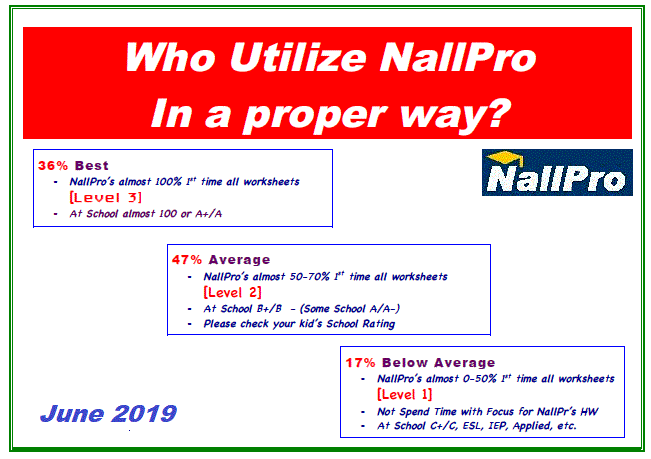
- Proven Results Over the years, many students have confirmed this:Students who consistently complete NallPro's homework 100% correctly usually achieve 100% on their school tests and exams.
- That's because NallPro aligns worksheets with each student's school curriculum. We always ask: "Which chapter or section are you studying at school?"- then provide targeted worksheets to reinforce exactly that material. With consistent effort on NallPro's homework, school success naturally follows!
|